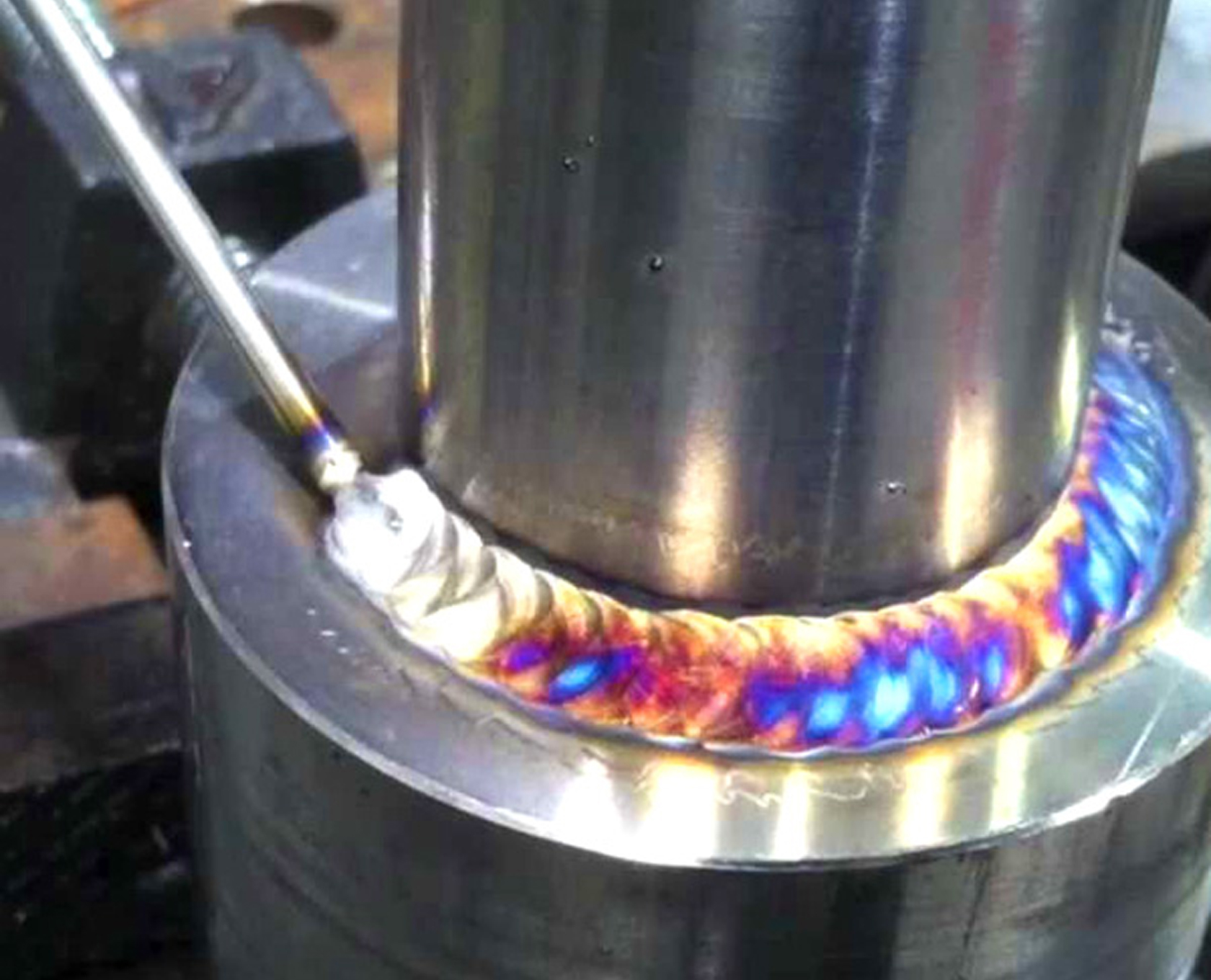
Why Learn Welding in 2025?
In today’s rapidly evolving industrial landscape, welding remains one of the most valuable and in-demand skills across multiple sectors. Whether you’re looking to enhance your DIY capabilities or launch a rewarding career, welding offers incredible versatility and opportunity. With skilled welders in short supply across the United States and globally, there’s never been a better time to master this craft.
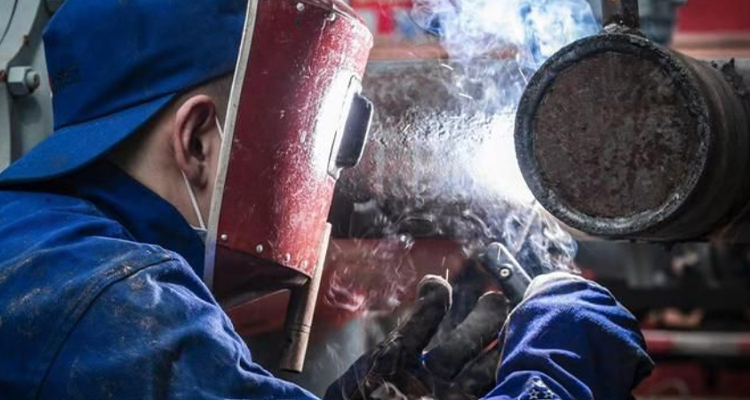
What Is Welding, Exactly?
At its core, welding is a fabrication process that joins materials (typically metals) by causing fusion. Unlike lower-temperature processes such as soldering and brazing, welding actually melts the base materials, resulting in exceptionally strong bonds. Modern welding utilizes various heat sources—from electricity and gas to lasers, electron beams, friction, and even ultrasound—making it adaptable to almost any environment, including underwater and in space!
How Can You Start Learning Welding?
Despite its technical nature, welding is accessible to beginners through multiple pathways:
Formal Education
- College courses: Many community colleges and technical schools offer welding certification programs
- Degree programs: Associate’s and bachelor’s degrees in welding technology or engineering
- Scholarship opportunities: Many industry associations and manufacturers offer financial assistance for welding education
Hands-On Training
- Apprenticeships: Learn while earning by working alongside experienced professionals
- Metal art classes: A creative and less intimidating introduction to basic welding techniques
- DIY approach: Investing in entry-level equipment for home practice (with proper safety precautions)
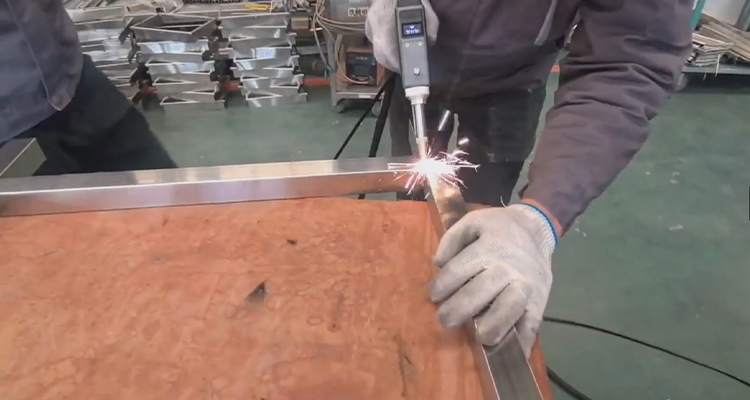
The Four Main Welding Processes for Beginners
1. MIG Welding (Gas Metal Arc Welding)
Perfect for beginners! MIG welding creates an electric circuit between the metal and an automatically-fed consumable electrode wire. A shielding gas protects the weld area from contamination.
Advantages:
- Easy to learn
- Cost-effective equipment
- Fast process with minimal cleanup
- Versatile across various metals and thicknesses
- Ideal for household projects
Disadvantages:
- Welds may not be as visually refined as other methods
2. TIG Welding (Gas Tungsten Arc Welding)
A more precision-oriented process using a non-consumable tungsten electrode to create the weld. TIG offers superior control and is often used for detailed work.
Advantages:
- Creates beautiful, high-quality welds
- Works with virtually all metals
- Optional filler material
- Greater control over the welding process
Disadvantages:
- Steeper learning curve
- Slower than other welding methods
- More expensive equipment
3. Stick Welding (Shielded Metal Arc Welding)
The classic welding method that many people first picture. Stick welding uses a fixed-length electrode coated with flux that creates a protective gas shield when heated.
Advantages:
- Works in various environments, including windy conditions
- No external gas required
- Highly portable equipment
- Effective on dirty or rusty metals
Disadvantages:
- More skill required to produce clean welds
- Not ideal for thin materials
- More post-weld cleanup needed
4. Flux-Cored Arc Welding (FCAW)
Similar to MIG welding but uses a hollow wire electrode filled with flux, which generates its own protective gases when melted.
Advantages:
- Excellent for thick, heavy metals
- Works well outdoors and in windy conditions
- Fast welding speeds
- Good penetration on dirty materials
Disadvantages:
- Produces more smoke and spatter
- Requires more cleanup
- Not ideal for thin materials
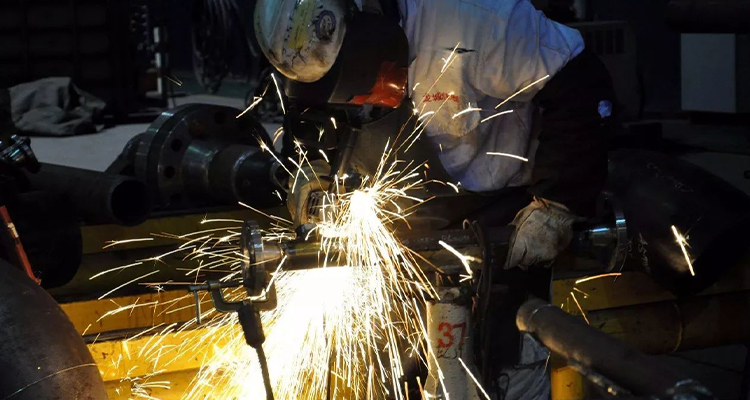
Essential Welding Equipment for Beginners
Safety Gear (Never Compromise!)
- Auto-darkening welding helmet
- Heat-resistant gloves (typically leather)
- Flame-resistant jacket or welding apron
- Safety goggles for under your helmet
- Steel-toed boots
- Respirator for proper ventilation
Basic Tools
- Welding machine appropriate for your chosen method
- Angle grinder for preparation and finishing
- Wire brush for cleaning surfaces
- Chipping hammer for slag removal
- Metal clamps and magnets for positioning
- Fire extinguisher (absolutely essential)
The Basic Welding Process: Step by Step
1. Preparation Is Key
- Clean thoroughly: Remove all paint, rust, oil, and contaminants from the metal surfaces
- Measure and cut: Ensure your pieces fit properly before welding
- Position properly: Use clamps or magnets to hold pieces in alignment
- Safety check: Ensure proper ventilation and that all safety gear is ready
2. The Welding Sequence
- Tack welding: Create small weld points to hold pieces in position
- Running the bead: Maintain consistent speed and angle
- Multi-pass technique: Build up stronger welds with multiple passes when needed
- Cooling: Allow metal to cool naturally (quenching can cause warping)
3. Post-Weld Finishing
- Slag removal: Chip away slag with a hammer (for stick and flux-core welding)
- Grinding: Smooth the weld if appearance matters
- Inspection: Check for defects like porosity or cracks
- Testing: For critical applications, test the strength of your weld

Common Beginner Mistakes to Avoid
- Incorrect amperage settings: Too high melts through thin metal; too low creates weak welds
- Poor joint preparation: Dirty surfaces lead to contaminated, weak welds
- Inconsistent travel speed: Moving too fast or too slow creates irregular beads
- Incorrect electrode angle: Affects penetration and bead appearance
- Inadequate shielding gas coverage: Results in porosity and weak welds
Career Opportunities in Welding
The welding industry faces a significant skills gap, with the American Welding Society projecting a shortage of 400,000 welders by 2026. This translates to excellent job security and competitive wages for those with proper training.
Popular Welding Career Paths:
- Construction Welder: Building infrastructure and structures
- Pipeline Welder: High-paying work on oil and gas pipelines
- Underwater Welder: Specialized and well-compensated maritime work
- Aerospace Welder: Precision work for the aviation and space industries
- Welding Inspector: Quality control and safety assessment
- Welding Educator: Training the next generation of welders
Conclusion
Welding combines science, skill, and artistry in a practical discipline that remains essential to modern society. Whether you’re interested in weekend DIY projects or pursuing a lifelong career, the fundamentals remain the same: proper training, quality equipment, strict safety protocols, and dedicated practice.
By starting with one of the more beginner-friendly processes like MIG welding and gradually expanding your skills, you’ll be joining a proud tradition of craftspeople who literally build our world. The satisfaction of creating strong, lasting bonds between metals—and potentially between your passion and profession—awaits!
If you need laser welding machine or other related professional equipment, please contact us