Tiktok

Official account

Video Account

Understanding the Different Types of Welding Machines
Date:2025-05-06Click:1427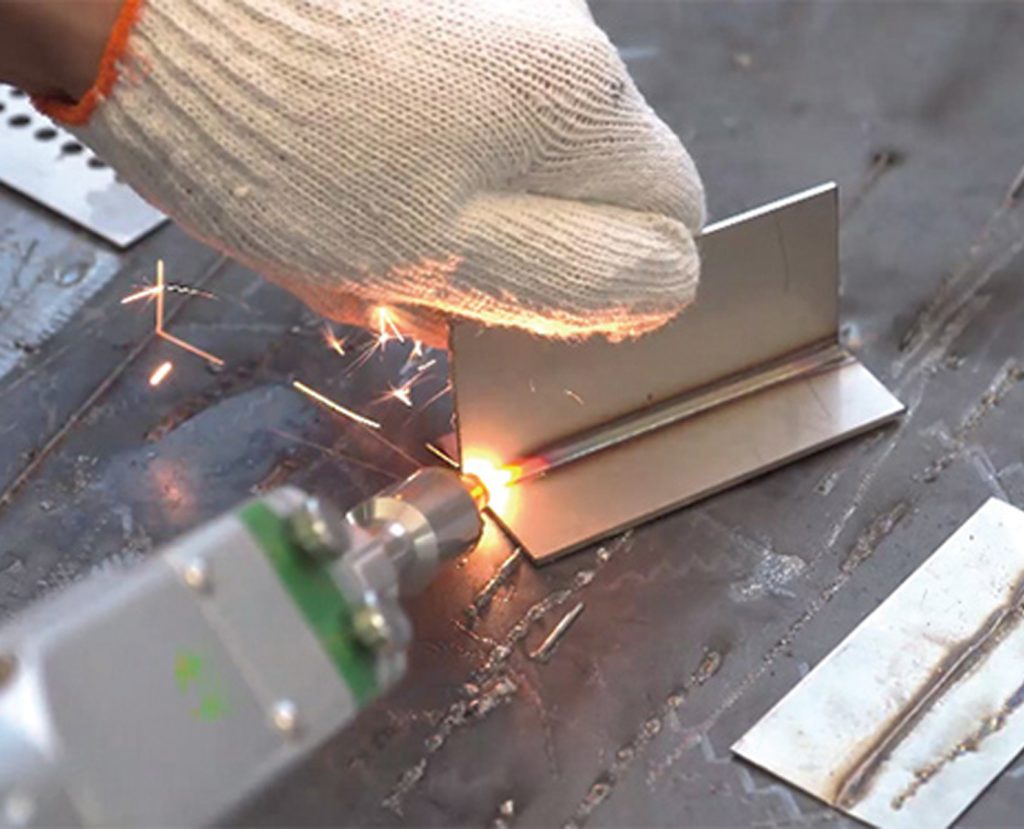
Welding is a cornerstone of modern manufacturing and construction. It’s an essential process used to join materials—usually metals—by applying heat, pressure, or both to create a strong, permanent bond. From infrastructure and automotive production to aerospace and electronics, welding is integral to building products that are both durable and high-performance. As industries have evolved, so have the technologies used for welding. The variety of welding machines available today caters to specific needs, materials, and production requirements, making the choice of the right machine crucial for the efficiency and quality of work.
With the wide range of welding methods and machines available, understanding their classification can significantly streamline the selection process. By recognizing the type of machine that best suits a particular task, industries can maximize productivity, reduce costs, and enhance weld quality. Follow me, let’s explore different welding machines, as well as the basic principles, characteristics and classification of welding machines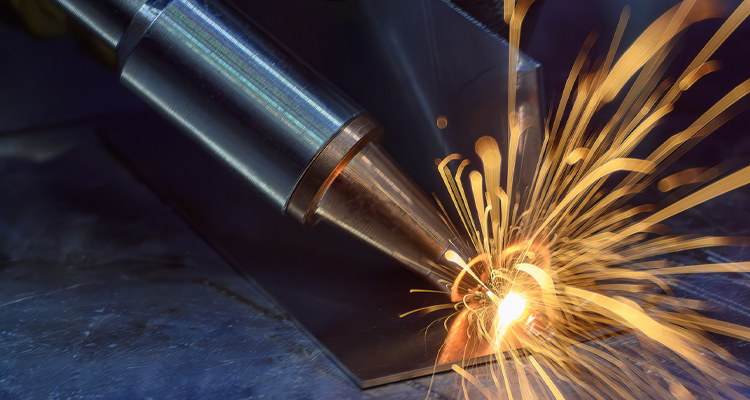
Welding fundamentally relies on melting the base materials and allowing them to cool, forming a bond that joins the materials together. The process typically involves a heat source, often generated by electricity (arc), gas (oxy-fuel), or light (laser), and sometimes pressure, as in resistance welding. There are various techniques, but the core principle remains the same: heat and/or pressure to melt the materials at the joint.
Welding machines, irrespective of type, share several common components that enable them to function effectively:
Welding machines can be categorized in several ways. These classifications help define the capabilities, limitations, and suitable applications for each machine.
The primary classification of welding machines is based on the energy source used for generating heat.
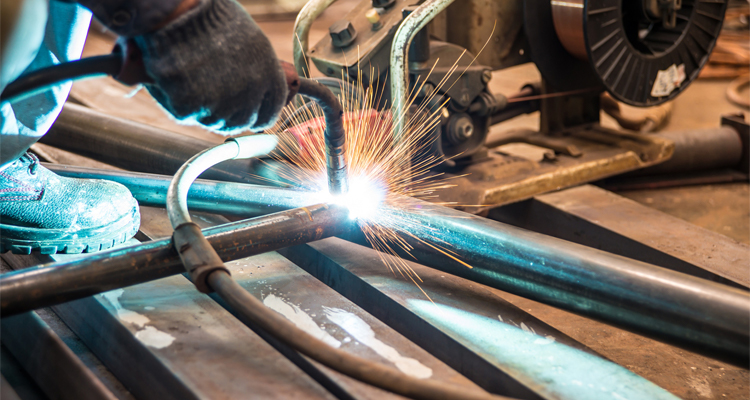
Arc welding is one of the most widely used methods for welding metals. It creates an electric arc between an electrode and the workpiece, which generates the heat needed to melt the materials.
Gas welding, or oxy-fuel welding, uses a flame produced by mixing oxygen and acetylene to melt the materials being joined. It’s often used for cutting, brazing, and welding. While it is slower than other techniques, its portability and low initial cost make it an excellent choice for small-scale work and repairs.
Resistance welding involves applying pressure and electrical current to join materials. The heat generated by electrical resistance at the welding point melts the materials. It is particularly effective for welding sheet metal and is widely used in automotive manufacturing.
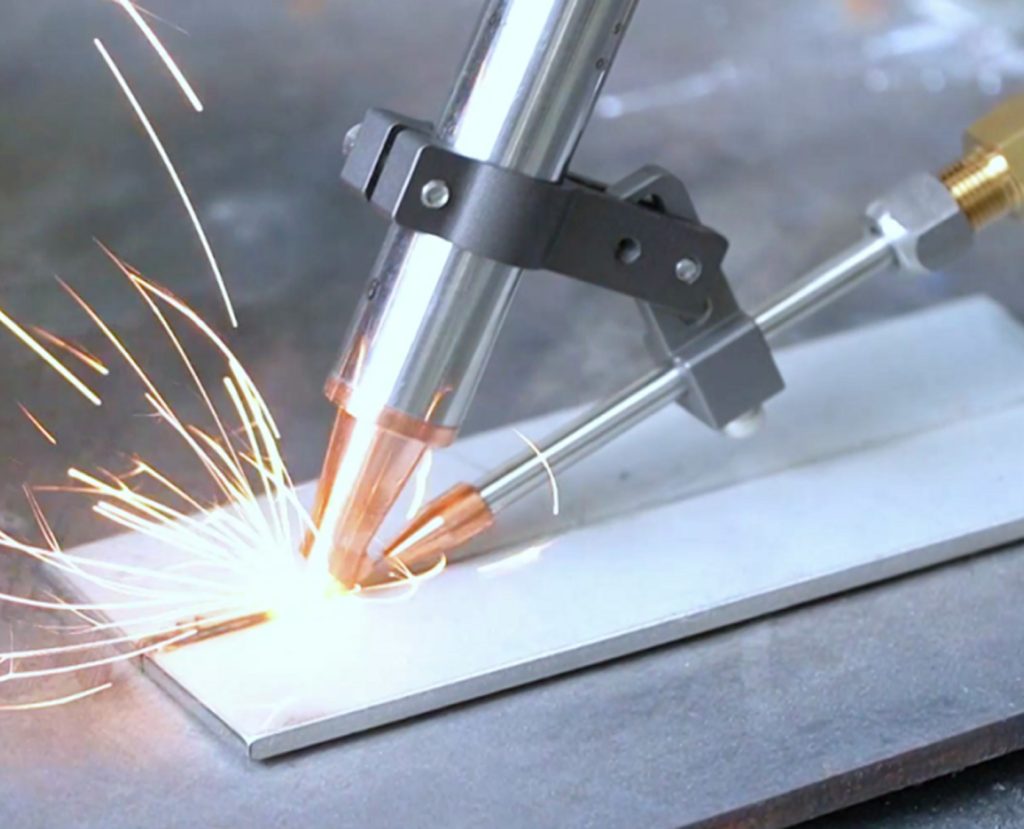
Laser welding uses a highly focused laser beam to melt and fuse materials together. It offers exceptional precision and minimal heat distortion, making it ideal for applications in industries like electronics, medical device manufacturing, and aerospace.
Ultrasonic welding uses high-frequency sound waves to create a vibration that generates heat, which melts the materials being joined. This method is particularly effective for joining plastics and thin metals and is used extensively in the electronics industry.
Welding machines can also be classified based on how they are operated.
Manual welding machines require the welder to control the welding process by hand. This method offers a high level of flexibility and control but demands a skilled operator to ensure consistent weld quality.
Semi-automatic machines require less manual intervention. The welder is still responsible for positioning the workpieces and controlling certain aspects of the weld, such as the speed of the wire feed. These machines improve efficiency and consistency compared to manual welding.
Automated welding systems are fully controlled by robotic arms or CNC machines, ensuring precise and repeatable welds. These systems are used in high-volume manufacturing settings, where speed, consistency, and high production rates are paramount.
Welding machines are also categorized based on the types of materials they can handle.
Ferrous metals like steel and cast iron are some of the most common materials welded in industries such as automotive and construction. Machines designed for these materials typically use arc welding or MIG/TIG welding methods to provide strong, durable bonds.
Non-ferrous metals require specialized welding machines, as they have different properties than ferrous metals. Aluminum, copper, and other alloys often require TIG or MIG welding to prevent oxidation and achieve a high-quality weld.
Plastics and composite materials require distinct welding methods. Ultrasonic welding and laser welding are frequently used for these materials, as they offer precision and minimal heat distortion, which is crucial for maintaining the integrity of plastic and composite parts.
As welding technology continues to evolve, modern machines are equipped with advanced features that enhance their capabilities and performance.
Power output and duty cycle refer to the amount of time a welding machine can operate continuously before needing to cool down. Modern machines offer higher power outputs and longer duty cycles, allowing for extended production runs and increased efficiency.
While many traditional welding machines were bulky and fixed in place, modern machines are designed for portability. Compact and lightweight designs enable welders to work in confined spaces or move the equipment between job sites with ease.
Many modern welding machines feature digital interfaces that allow for precise control over various parameters, such as welding speed, heat input, and wire feed. Pulse settings, which alternate the power level during welding, can improve weld quality and reduce heat distortion.
With growing concerns over energy consumption, many modern welding machines are designed with energy efficiency in mind. Technologies like inverter welding machines and advanced cooling systems ensure that power is used more effectively, reducing both energy costs and the machine’s environmental impact.
Selecting the right welding machine depends largely on the specific requirements of the project. Factors such as material type, thickness, joint design, and production volume all influence the choice of machine.
Initial cost and maintenance expenses are key factors in selecting a welding machine. While some advanced machines may come with a higher price tag, they often offer long-term savings through higher productivity and reduced maintenance needs.
Consideration must also be given to the workspace, ventilation, and noise levels associated with the machine. Machines that produce excessive heat, fumes, or noise may require additional investments in protective gear, ventilation systems, and safety measures.

Each welding process comes with its own set of hazards. These can include burns, electrical shock, exposure to fumes, and eye damage from UV radiation. Understanding the risks associated with each welding method is crucial for maintaining a safe working environment.
To minimize exposure to hazards, workers should use protective gear such as welding helmets, gloves, protective clothing, and respirators. Additionally, proper ventilation is necessary to reduce the accumulation of fumes and gases in the workspace.
Regular maintenance is essential for ensuring the longevity and efficiency of welding machines. This includes routine checks of power sources, electrodes, cooling systems, and safety features to ensure the machine operates optimally.

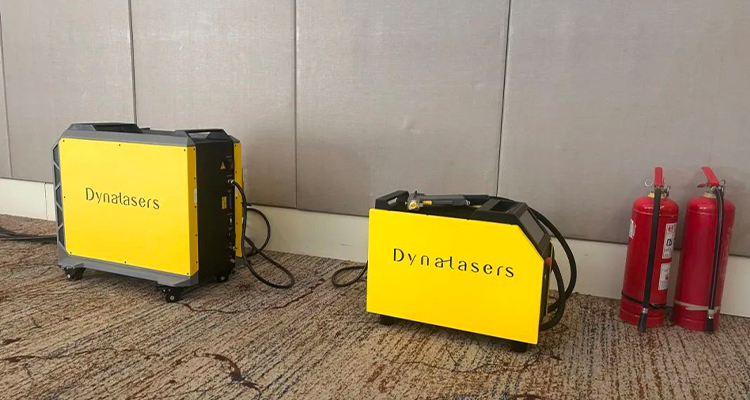
Welding is an indispensable process in modern industry, and understanding different types of welding equipment is crucial for practitioners or companies. By understanding the basics, characteristics and classifications of welding machines, practitioners or companies can make informed decisions to optimize productivity, reduce costs and ensure high-quality welding. We at Dynalasers are a professional company that specializes in laser welding machines. If you want to buy or learn about laser welding machines, please contact us.