Tiktok

Official account

Video Account

The Advantages of Laser Welding Over Traditional Welding Techniques.
Date:2025-05-06Click:1475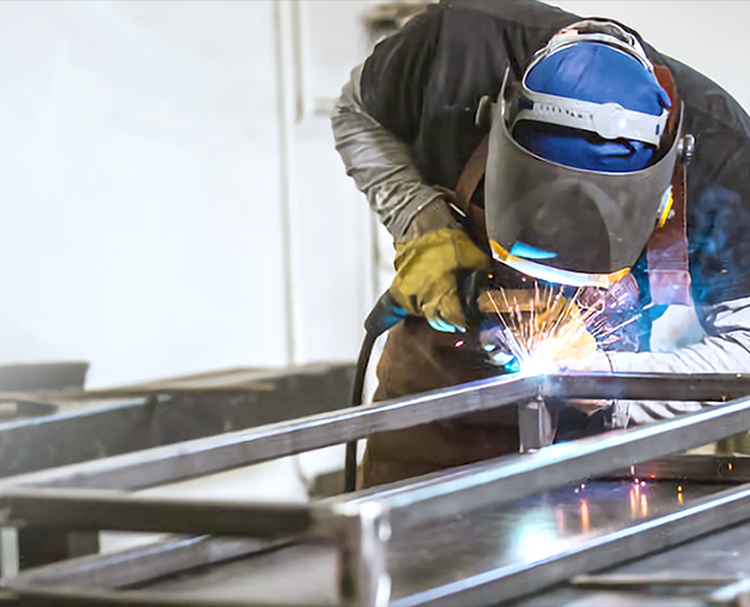
Background of Welding Technologies
Traditional welding has been a key process in manufacturing, construction, and various industrial applications. It is mainly about being able to join metals and materials together to form a strong joint. Traditionally, welding techniques such as arc welding, gas welding, and resistance welding have been widely used in various applications. If you are also an engineer who specializes in electric welding, you should have a deep understanding of this. Although these methods are effective, they also have limitations, such as high heat input, large material deformation, and high post-processing requirements.
However, over the past few decades, a revolutionary technology has emerged in the welding world: laser welding. Laser welding utilizes highly concentrated laser beams to join materials with unprecedented precision, speed, and minimal distortion. It has transformed various industries, from automotive to aerospace, and even medical device manufacturing, offering significant advantages over traditional welding methods.
Follow me to explore traditional welding techniques vs. laser welding, focusing on the main advantages of laser welding. By studying the unique properties of laser welding, we will explore how this modern method surpasses traditional welding in terms of precision, speed, versatility, energy saving, and safety.

Overview of Welding Techniques
Traditional Welding Methods
Traditional welding methods have been used for centuries and are still common in many industries today. Each method has its own set of advantages and limitations, which makes them suitable for different types of applications.
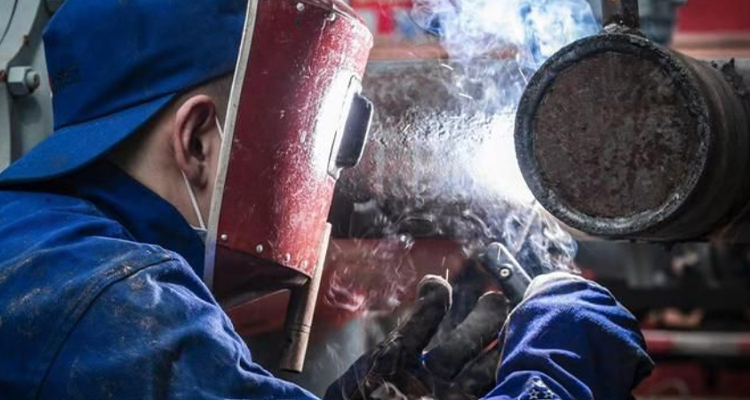
Arc welding is one of the most commonly used traditional welding techniques. It involves generating an electric arc between an electrode and the workpiece, which melts the metal at the joint to form a bond. There are different variations of arc welding, including:
While these methods are widely used and versatile, they have limitations in terms of precision, heat input, and the size of the welds they can produce.
Gas welding uses a flame produced by burning a mixture of oxygen and acetylene to heat the metal and form a weld. This method is often used in light-duty applications, repairs, and maintenance work. While gas welding is portable and relatively easy to use, it tends to be slower than other methods, and the resulting welds can lack the precision of newer technologies like laser welding.
Resistance welding involves passing an electrical current through the materials to be joined, causing them to heat up at the joint and fuse together. This method is commonly used for welding sheet metal in automotive manufacturing. However, it is limited in terms of the materials it can weld and does not offer the same precision as newer technologies.
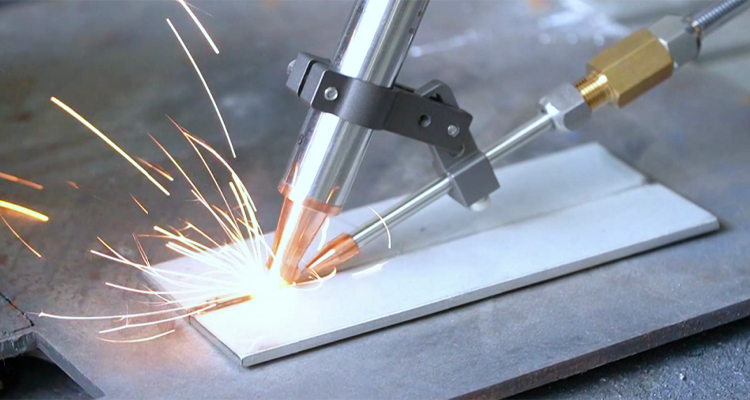
Laser welding uses a focused laser beam to melt the material at the joint, creating a weld pool that solidifies to form a strong bond. The energy from the laser is concentrated into a small, focused spot, which allows for precise control over the weld’s size, shape, and depth. This process can be easily automated, making it ideal for high-volume production settings.
Laser welding offers numerous advantages over traditional methods, particularly in terms of the precision and control it offers. The laser beam can be focused to a very fine point, enabling the welding of thin, delicate materials with minimal distortion or heat-affected zones.
Key Advantages of Laser Welding
Precision and Control
One of the standout benefits of laser welding is its high level of precision. Unlike traditional welding methods, which rely on manual input and can be subject to variations due to human factors, laser welding is highly controlled. The focused laser beam can produce extremely fine welds, with tolerances of 0.1mm or less, making it ideal for applications that require high accuracy.
Narrow Heat-Affected Zone (HAZ)
A key factor contributing to the precision of laser welding is the narrow heat-affected zone (HAZ). The heat-affected zone refers to the area around the weld that is exposed to heat and may experience changes in its properties. In traditional welding methods, the heat input is spread over a larger area, which can lead to warping, distortion, and a reduction in the material’s strength. In contrast, laser welding’s highly focused energy input results in a much smaller HAZ, which minimizes the risk of these issues and ensures the surrounding material remains unaffected by excessive heat.
The concentrated nature of the laser beam ensures that the welds produced are extremely precise, with minimal distortion to the surrounding material. This is especially important when working with thin or delicate materials, where distortion can compromise the integrity of the final product.
Speed and Efficiency
Laser welding is significantly faster than traditional welding methods, which contributes to increased productivity in industrial settings. The high-speed nature of laser welding is especially beneficial for mass production, as it reduces the overall cycle time per weld.
Laser welding is well-suited for applications requiring high-volume production, as the welding process can be completed much faster than with traditional methods. For example, fiber laser systems can operate at speeds of up to several meters per minute, allowing manufacturers to produce large quantities of products in a fraction of the time it would take using arc welding or other traditional techniques.
Reduced Post-Processing Requirements
Another benefit of laser welding is the minimal need for post-processing. Traditional welding often requires additional finishing steps, such as grinding, polishing, or cleaning, to ensure that the welds are of high quality. Laser welding, however, produces cleaner welds with minimal spatter and distortion, which reduces the need for these additional processes.
Versatility in Material Compatibility
Laser welding is highly versatile when it comes to the types of materials it can weld. Unlike some traditional welding methods, which are limited to specific metals or material thicknesses, laser welding can be used to weld a wide variety of materials, including metals, plastics, and composites.
Welding Dissimilar Metals
One of the unique advantages of laser welding is its ability to join dissimilar metals with high strength. This is particularly useful in industries like aerospace and automotive, where components made from different materials often need to be joined. Laser welding allows for precise control over the heat input, which makes it possible to weld materials with different melting points without causing damage to either component.
Applications in Thin or Delicate Materials
Laser welding is ideal for welding thin or delicate materials, which can be difficult to handle with traditional welding methods. The precision of laser welding allows manufacturers to join these materials with minimal risk of heat distortion or burn-through, ensuring the integrity of the parts.
Reduced Energy Consumption
Laser welding is more energy-efficient than traditional welding methods. The focused energy input required to create the weld is much more efficient than the broad heat application used in methods like arc welding or gas welding. This results in lower overall energy consumption and reduced operational costs for manufacturers.
In traditional welding methods, energy is applied over a large area, which requires a significant amount of power. In contrast, laser welding uses a highly focused beam of energy, which is applied directly to the material to be welded. This targeted approach reduces waste and ensures that the energy is used more efficiently, leading to lower energy consumption.
Laser welding offers several safety and cleanliness benefits when compared to traditional methods.
Many traditional welding methods, such as arc welding and gas welding, produce harmful fumes and gases that pose health risks to workers. Laser welding, on the other hand, produces fewer fumes and contaminants, making it a cleaner and safer option for workers. This can be particularly important in industries where air quality and worker safety are a priority.
Reduced Risk of Spatter
Spatter, or molten material that is ejected from the weld pool during the welding process, is a common issue in traditional welding techniques. This not only creates a mess but also increases the time and cost associated with post-weld cleaning. Laser welding produces minimal spatter, reducing the need for cleanup and ensuring a cleaner work environment.

Conclusion
In summary, laser welding offers numerous advantages over traditional welding techniques, making it a superior choice for many manufacturing
applications. Its precision, speed, versatility, and energy efficiency make it a highly attractive option for industries requiring high-quality welds, including automotive, aerospace, medical devices, and electronics.
Key advantages of laser welding include:
Precision and control with a narrow heat-affected zone and minimal distortion.
Faster welding speeds that enable mass production and reduced cycle times.
Versatility in welding a wide range of materials, including dissimilar metals.With these advantages, if you are a manufacturer or related practitioner, you can make more informed decisions when choosing welding technology according to your production needs, thereby ensuring higher quality products, shorter production time, and long-term cost savings. We Dynalsers specialize in laser electric welding machines. If you are interested, you can contact us.