Laser vs MIG vs TIG Welding: Choosing the Best Method
Date:2025-05-07Click:1397
Introduction
The Importance of Selecting the Right Welding Process
Welding is required in various industries, including construction, automobile, and medical. The choice of welding method directly affects production efficiency, quality, and cost. However, each welding process is different, and each process has its own advantages or disadvantages.
Follow me and learn the three most commonly used welding methods: laser welding, MIG welding and TIG welding. I will introduce you to the basic principles, advantages and limitations of the process, and other advantages and disadvantages. Let you have a deeper understanding of welding knowledge.
Overview of Laser, MIG, and TIG Welding
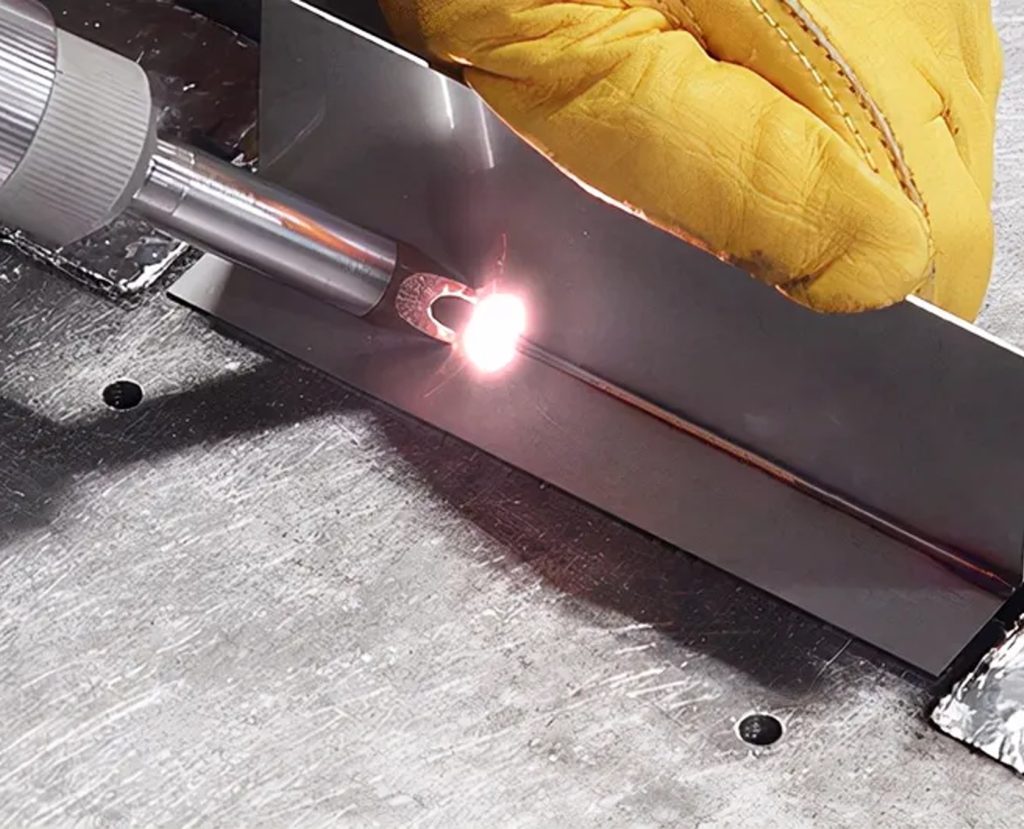
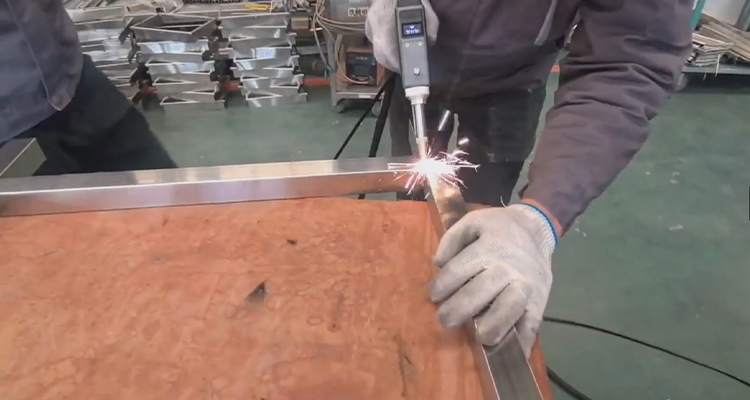
Laser Welding: A highly precise and efficient method that uses focused laser beams to join materials with minimal heat distortion.
MIG Welding (GMAW): A versatile process that uses a continuous wire feed and a shielding gas to create a weld, ideal for fast and high-volume applications.
TIG Welding (GTAW): Known for its precision and control, TIG welding uses a non-consumable tungsten electrode and is favored for high-quality fabrication and thin material welding.
Fundamentals of Each Welding Process
Laser Welding
How It Works: Principles and Key Components
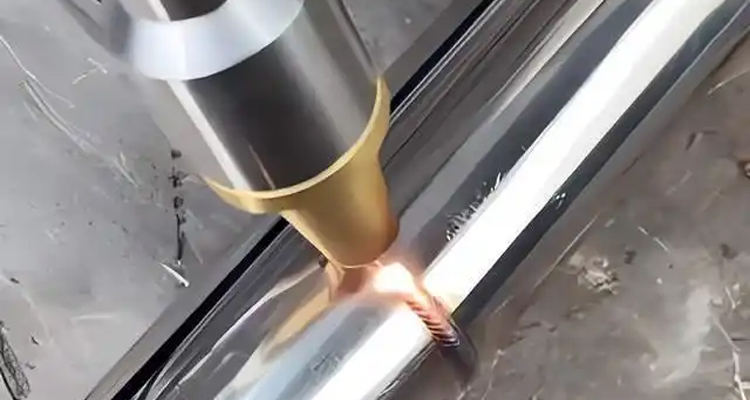
Laser welding uses a concentrated beam of light, typically generated by fiber lasers, CO₂ lasers, or diode lasers, to melt and fuse the materials being joined. The key components of a laser welding system include the laser source, optical systems (lenses and mirrors), and the workpiece. The focused laser beam delivers intense energy to a precise area, creating a small molten pool that solidifies into a strong joint. This process is highly efficient due to the concentrated energy input, which reduces the heat-affected zone (HAZ) and minimizes distortion.
Types of Laser Welding (Fiber, CO₂, Pulsed/Continuous Wave)
Fiber Lasers: Provide high power and beam quality, ideal for precision welding of metals such as stainless steel and aluminum.
CO₂ Lasers: Use a gas mixture to produce the laser beam, often used for thicker materials but less efficient compared to fiber lasers.
Pulsed/Continuous Wave Lasers: Pulsed lasers release energy in bursts, offering high precision for delicate welds, while continuous wave lasers offer deeper penetration, making them suitable for thicker materials.
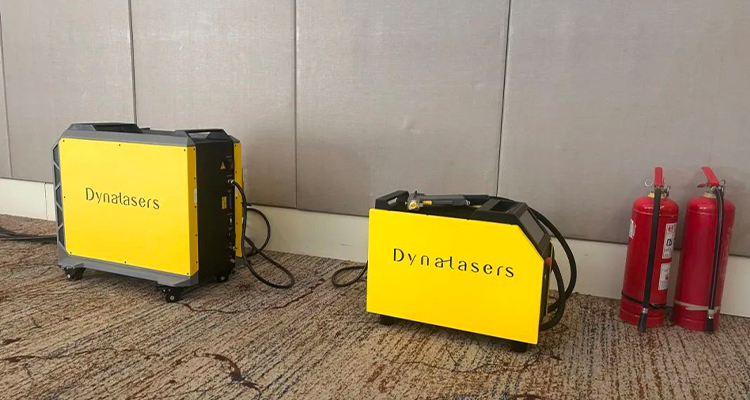
In China, Dynalasers is a company specializing in laser welding machines. If you are interested in laser welding machines, please contact us.
MIG Welding (GMAW)
Process Overview and Equipment Setup
MIG welding, also known as Gas Metal Arc Welding (GMAW), is one of the most popular welding techniques for joining metals. It uses a continuous wire feed that is fed through a welding gun, where it melts and fuses with the workpiece to create the weld. The process also utilizes a shielding gas (usually argon or a mixture of gases) to protect the weld pool from contamination by atmospheric gases.
The equipment setup for MIG welding includes the welding machine, wire feeder, MIG gun, and gas supply system. MIG welding is a semi-automatic process, with the welder controlling the gun and the feed rate of the wire.
Advantages in Speed and Versatility
MIG welding is known for its speed and versatility, making it ideal for high-volume production settings. The continuous wire feed allows for faster welds compared to other methods, and the process can be used on a wide range of metals, including steel, stainless steel, and aluminum. MIG welding is particularly advantageous when welding thick materials or working in outdoor conditions.
TIG Welding (GTAW)
Precision and Control: Key Characteristics
TIG welding, or Gas Tungsten Arc Welding (GTAW), is renowned for its precision and control. It uses a non-consumable tungsten electrode to create the weld arc, with a separate filler rod used to fill the joint if needed. The welder controls both the heat input and filler material, providing a high level of precision. TIG welding is often used when aesthetics and quality are a priority, as it produces clean, smooth welds with minimal spatter.
Applications in High-Quality Fabrication
TIG welding is commonly used in applications requiring high-quality, clean welds, such as aerospace, automotive, and medical device manufacturing. Its ability to weld thin materials with minimal distortion makes it a preferred method for precision jobs.
Key Comparison Parameters
Speed and Efficiency
Laser Welding: Laser welding is highly efficient and fast, especially for thin materials. Its high-speed operation makes it ideal for mass production. It can also be automated for further speed improvements.
MIG Welding: MIG welding is known for its speed, making it ideal for applications that require quick results. Its continuous wire feed allows for rapid welding, especially on thicker materials.
TIG Welding: TIG welding, while precise, is slower than both laser and MIG welding due to the manual control of the heat and filler material.
Precision and Weld Quality
Laser Welding: Offers exceptional precision with minimal heat distortion, resulting in high-quality welds with narrow heat-affected zones (HAZ).
MIG Welding: Provides good weld quality, though the heat input is higher, which can lead to more distortion in certain cases.
TIG Welding: Known for its precise control, TIG welding is excellent for high-quality, aesthetically clean welds. It also offers a smaller heat-affected zone compared to MIG welding.
Material Compatibility
Laser Welding: Can handle a wide range of metals, including ferrous and non-ferrous materials. It is also suitable for thin materials and dissimilar metal joints.
MIG Welding: Works well with thicker metals like steel, stainless steel, and aluminum. It is highly versatile but may struggle with very thin materials.
TIG Welding: Highly effective for thin materials and non-ferrous metals like aluminum and titanium. It can also handle precision jobs with minimal distortion.
Cost Considerations
Laser Welding: The initial investment in a laser welding machine is higher than MIG or TIG welding machines. However, it offers reduced operational costs due to its speed and efficiency.
MIG Welding: MIG welding machines are generally more affordable and have lower operating costs, making them suitable for budget-conscious operations.
TIG Welding: TIG welding machines are typically more expensive due to their precision and control. However, they offer excellent weld quality, making them worth the investment for high-quality fabrication.
Skills and Training Requirements
Laser Welding: Requires specialized training to understand the settings and adjustments for different materials and applications. However, once trained, it is relatively easy to operate.
MIG Welding: MIG welding is considered easier to learn and can be done by beginners with minimal training. Its semi-automatic nature makes it user-friendly.
TIG Welding: TIG welding requires the most skill and experience, as it involves manual control of the heat and filler material. It is best suited for experienced welders.
Joint Design and Thickness Limitations
MIG Welding: Ideal for thicker materials and joints that require high strength. It works well for both butt and fillet welds.
TIG Welding: Best for thin materials and precision work. TIG welding is limited when it comes to thick materials, as it requires more time to heat and fuse them.
Laser Welding: Ideal for thin materials and delicate joints. Laser welding is particularly useful for thin-walled sections where other processes may cause distortion.
Selecting the Best Method for Your Needs
Decision-Making Checklist
When selecting the best welding process for your project, consider the following factors:
Production Volume: Laser and MIG welding are ideal for high-volume production, while TIG welding is better for low-volume, high-quality fabrication.
Material Type: Consider the materials being welded—laser welding is great for thin materials and dissimilar metals, MIG is suited for thicker materials, and TIG is perfect for thin, delicate materials.
Budget: MIG welding offers a more budget-friendly option, while laser and TIG welding require higher initial investment but provide higher-quality results.
Timeline: Laser and MIG welding offer faster processes compared to TIG welding, making them suitable for time-sensitive projects.
Hybrid Approaches: Combining Laser with MIG/TIG
In some cases, a hybrid approach—combining laser welding with MIG or TIG welding—can be beneficial. For example, laser welding may be used for precise, fast joining of thin materials, while MIG or TIG welding is used for thicker materials or to fill joints. This hybrid method allows manufacturers to optimize both speed and quality.
When to Outsource vs. Invest In-House
Outsourcing welding tasks may be an option if your company lacks the necessary equipment or expertise. For high-volume, high-precision jobs, investing in-house can provide long-term cost savings and control. Consider the complexity, volume, and required quality of the welding work when making this decision.
Safety and Operational Challenges
Hazards Unique to Each Process
Each welding method presents unique safety risks:
Laser Welding: Requires strict eye protection due to the powerful laser beam, as well as adequate ventilation to avoid inhaling fumes.
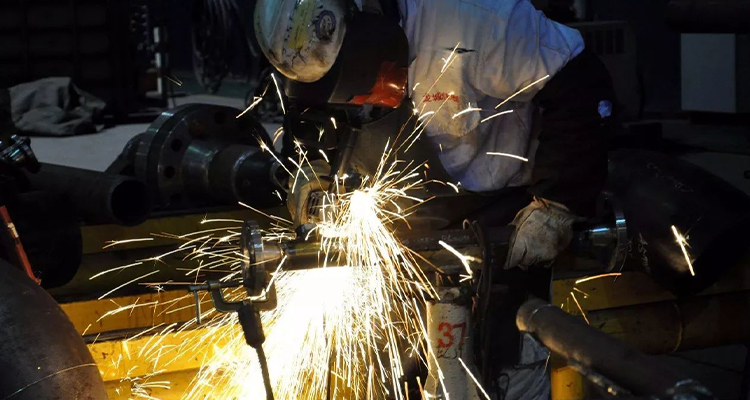
MIG Welding: Arc flashes and exposure to welding gases are significant risks, necessitating proper eye protection, gloves, and ventilation.
TIG Welding: Risks include exposure to intense UV radiation and high temperatures, requiring protective gear and proper ventilation.
Mitigation Strategies and Regulatory Compliance
To mitigate these hazards, always use the appropriate protective gear, including face shields, gloves, and flame-resistant clothing. Adequate ventilation and fume extraction systems should be in place to protect workers from harmful gases and fumes. Compliance with industry safety standards and regulations is essential to ensure a safe working environment.
Conclusion
Choosing the right welding process depends on various factors such as speed, precision, material compatibility, and cost. Laser welding is ideal for precision work on thin materials, MIG welding is perfect for high-volume, fast operations, and TIG welding is suited for high-quality, low-volume fabrication. If you still want to continue to learn about laser welding knowledge, please follow us. If you are interested in laser welding machines, please contact us.