Tiktok

Official account

Video Account

Are Laser Welding Machines Any Good?
Date:2025-05-08Click:1468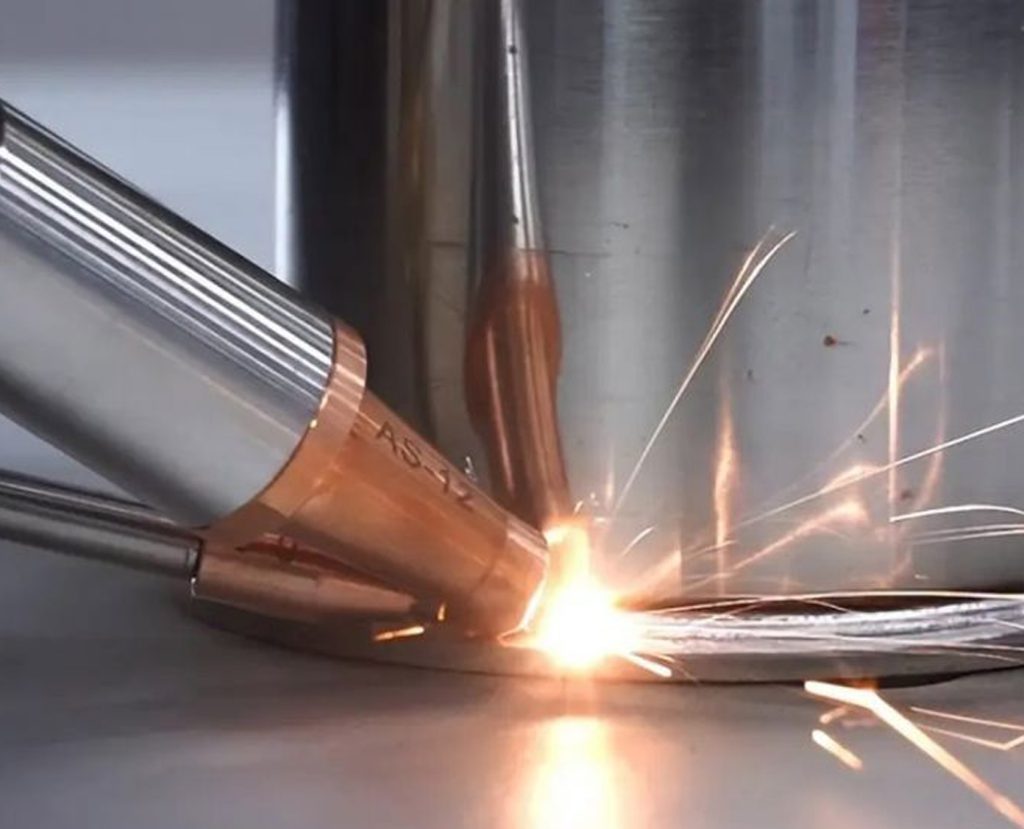
With the development of science and technology, laser welding has become a key technology in modern manufacturing. Faster, more precise and cleaner are reflected in laser welding machines. Nowadays, laser welding technology is popularizing in various industries such as automobile, aerospace, electronics and medical device production.
With the rapid advancement of welding technology, many manufacturers are evaluating whether laser welding machines are a worthwhile investment. While laser welding offers numerous benefits, it’s essential to understand the complete picture—both the pros and cons—before making a decision. The question “Are laser welding machines any good?” is crucial because the right choice can significantly impact production quality, speed, and long-term operational costs.
Laser welding works by focusing a highly concentrated beam of light (laser) onto a material. This beam generates heat, which melts the material at the joint and forms a weld pool. The molten metal solidifies to form a strong bond between the two parts. The laser’s focused energy allows for precise control over the welding process, minimizing distortion and providing high-quality, clean welds.
Laser welding machines consist of several key components that work together to deliver a precise and efficient welding process:
Laser welding machines come in several types, each offering unique advantages based on the material and application:

One of the most significant advantages of laser welding is its precision. With micron-level accuracy, laser welding can create complex geometries with minimal distortion. This makes it ideal for applications requiring intricate welds, such as electronics, jewelry, and medical device manufacturing.
Laser welding machines can create extremely fine welds, making them ideal for precision applications that require tight tolerances and high-quality results.
Laser welding is significantly faster than traditional methods such as MIG and TIG welding. The ability to rapidly heat and melt the material enables faster cycle times, making it perfect for high-volume manufacturing and mass production.
In high-volume production settings, laser welding outperforms other methods in terms of speed, improving overall productivity and reducing production times.
Laser welding’s concentrated energy minimizes the heat-affected zone (HAZ), which is the area around the weld that may be altered by heat. This is crucial for maintaining the integrity of delicate materials and ensuring the surrounding material is not compromised.
Because of the precise energy input, laser welding minimizes material distortion and warping, ensuring a clean and precise weld.
Laser welding is compatible with a wide range of materials, including metals, plastics, and composites. Its ability to join dissimilar materials makes it a valuable tool in industries that require the welding of different material types.
Whether you are working with steel, aluminum, titanium, or plastics, laser welding machines can handle different materials with ease, making them incredibly versatile.
Laser welding machines can easily integrate with robotic systems, enabling fully automated production lines. This is particularly useful in high-volume manufacturing where consistent, repeatable results are essential.
The automation capabilities of laser welding make it ideal for industries that require high-volume, precision welding, such as automotive manufacturing and electronics.

One of the main drawbacks of laser welding machines is their high initial investment cost. Laser systems are expensive to purchase, and their associated operating and maintenance costs can add up over time.
In addition to the initial cost of purchasing the machine, ongoing maintenance and energy expenses must be factored into the overall cost of ownership.
Laser welding is most effective for thin materials. While it can weld thick materials, it often requires more advanced systems, which can be less efficient and more expensive. Additionally, reflective materials like aluminum may pose challenges.
Welding thick or reflective materials can require higher-powered systems and specialized techniques, making laser welding less cost-effective for these applications.
Laser welding requires specialized knowledge and technical expertise. Operators need to understand the machine’s settings, program the CNC system, and adjust parameters based on the material and joint type.
The complexity of laser welding systems means that operators must be well-trained, and businesses may need to invest in ongoing training for their workforce.
Like all welding processes, laser welding presents safety hazards. These include potential eye damage from the laser beam and risks associated with fumes produced during the welding process.
Appropriate safety measures, including laser safety glasses, proper ventilation, and adherence to regulatory safety standards, are critical when operating laser welding machines.
Laser Welding vs. Traditional Methods (MIG/TIG)
Laser welding is faster than traditional methods like MIG and TIG welding, especially for thin materials. The ability to automate and achieve high-speed welding makes it ideal for mass production.
In high-volume settings, laser welding’s speed and efficiency make it the preferred choice over arc welding methods like MIG and TIG.
Laser welding produces clean, high-quality welds with minimal spatter, resulting in a superior surface finish and stronger joints. MIG and TIG welding are also capable of producing good quality welds, but laser welding stands out for its precision and reduced heat distortion.
Laser welding consistently delivers superior weld quality with minimal post-processing, providing a strong, clean bond with little heat distortion.
While laser welding machines come with a high initial cost, the long-term savings in terms of speed, quality, and reduced labor costs can outweigh this initial investment. MIG and TIG welding are more cost-effective in the short term but may require more manual labor and result in more material waste.
Investing in a laser welding system may be expensive upfront, but the efficiency and reduced post-processing costs can provide significant long-term savings.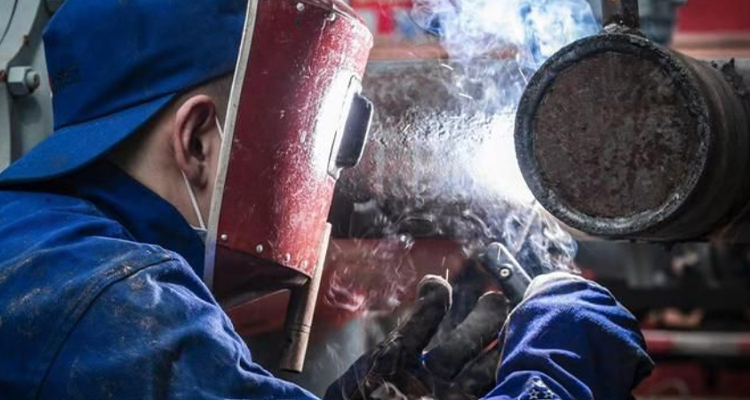
While laser welding is commonly used in high-tech industries like aerospace and electronics, it is increasingly being adopted across a wide range of sectors, including automotive, medical, and consumer goods manufacturing.
Laser welding does require technical expertise, but it does not eliminate the need for skilled welders. Operators must understand the machine’s settings and programming, making welding skills still relevant in the laser welding process.
Laser welding systems are safe when used properly, with proper training and safety protocols in place. Small shops can invest in laser welding machines as long as they meet safety and regulatory requirements.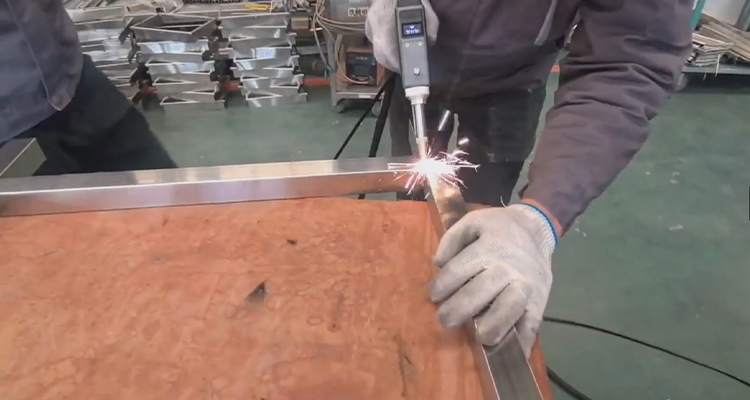
Wear appropriate protective gear, including laser safety glasses, gloves, and protective clothing. Ensure the workspace has proper ventilation to minimize exposure to harmful fumes and gases.
Operators should undergo proper training and certification to ensure they are proficient in using the machine and aware of safety protocols.
Regular maintenance is essential for keeping the laser welding machine in optimal condition. Check for any wear or damage, and perform routine safety checks to prevent potential hazards.
Laser welding machines are indeed an excellent option for many manufacturing processes. While the initial cost and technical requirements may pose challenges, the benefits in terms of precision, speed, and versatility make them a valuable investment for high-volume, high-precision operations. We are professional manufacturers of laser welding machines. If you need relevant knowledge or skills, please pay attention to us. If you need to buy a handheld intelligent laser welding machine, please contact us.