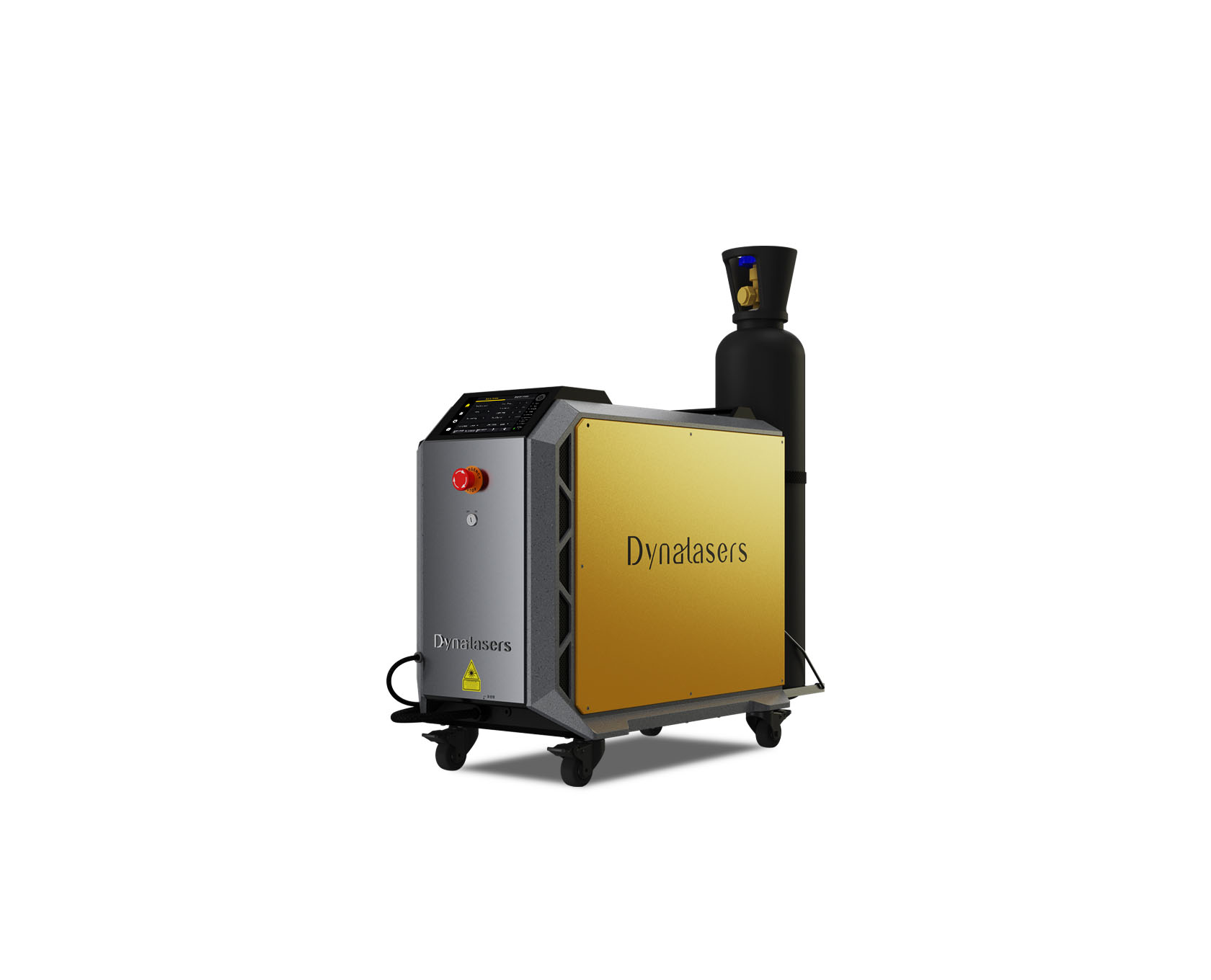
The manufacturing landscape is undergoing a profound transformation, propelled by the integration of laser intelligent equipment across diverse industrial sectors. This revolutionary technology represents the convergence of photonics, precision mechanics, advanced electronics, and artificial intelligence—creating machine that can manipulate materials with unprecedented accuracy, speed, and versatility.
As global industries face mounting pressure to increase efficiency, reduce environmental impact, and develop increasingly sophisticated products, laser-based manufacturing solutions have emerged as a critical enabling technology. These systems do far more than merely replace conventional tools; they fundamentally reimagine the possibilities of material processing while addressing many of the inherent limitations of traditional manufacturing methods.
This article explores the expansive impact of laser intelligent equipment across key industrial sectors, examines the technological foundations enabling these advances, and analyzes emerging trends that will shape the future of global manufacturing. By understanding both the current capabilities and future potential of these technologies, manufacturers can better position themselves in an increasingly competitive marketplace driven by precision, efficiency, and innovation.

The Technological Foundation of Laser Intelligent Equipment
The Evolution of Industrial Laser Technology
The journey from the first experimental laser in 1960 to today’s sophisticated manufacturing machine represents one of the most significant technological progressions in industrial history. This evolution has been characterized by several key developments:
-
Laser Source Advancement: The transition from early gas lasers to modern fiber, diode, and ultrafast lasers has dramatically improved reliability, efficiency, and beam quality. Today’s industrial fiber lasers can operate continuously for over 100,000 hours with minimal maintenance, while delivering multi-kilowatt power with exceptional beam characteristics.
-
Beam Delivery Innovation: Modern systems utilize advanced optical components, including dynamic focusing assemblies, beam splitters, and galvanometer scanners that can redirect focused laser energy with sub-micron precision at speeds exceeding 10 meters per second.
-
Control System Sophistication: Contemporary laser equipment integrates multi-axis CNC control, real-time monitoring systems, and adaptive process algorithms that can adjust processing parameters in milliseconds based on sensor feedback.
-
Material-Specific Optimization: Decades of research have yielded specialized processing techniques for virtually every engineering material, from metals and ceramics to advanced composites and biological tissues.
The Intelligence Layer: Beyond Conventional Automation
What truly distinguishes modern laser equipment is the integration of artificial intelligence and advanced sensing technologies that transform these systems from mere tools into collaborative manufacturing partners:
-
Computer Vision Integration: High-resolution cameras combined with deep learning algorithms enable real-time part recognition, alignment verification, and quality inspection during processing.
-
Process Monitoring: Spectroscopic sensors, thermal cameras, and acoustic monitoring systems provide continuous feedback on material conditions, enabling the system to detect and correct processing anomalies automatically.
-
Digital Twin Implementation: Advanced systems maintain a virtual model of both the equipment and workpiece, enabling precise simulation and prediction of processing outcomes before material is modified.
-
Closed-Loop Quality Control: Intelligent systems continuously compare processing results against design specifications, making microscopic adjustments to ensure consistency even as conditions change.
-
Predictive Maintenance: Internal sensors monitor system components, using pattern recognition to predict potential failures before they impact production, dramatically reducing unplanned downtime.
This integration of intelligence transforms laser equipment from precise tools into autonomous processing systems capable of handling increasingly complex manufacturing challenges with minimal human intervention.
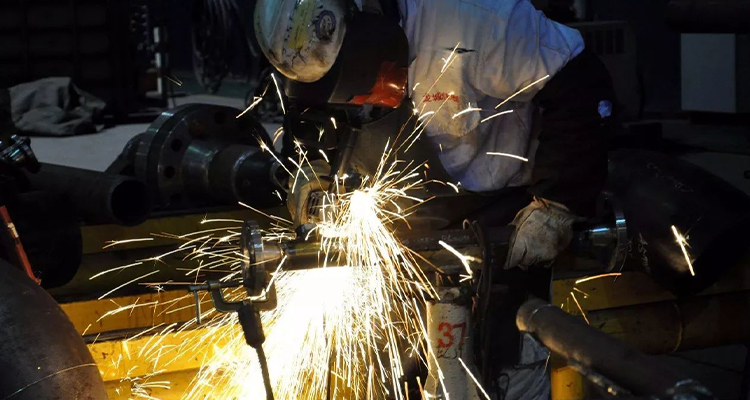
Transformative Applications Across Key Industries
Precision Metal Fabrication Revolution
In metal fabrication, laser intelligent equipment has fundamentally rewritten the rules of what’s possible, particularly in sheet metal processing:
-
High-Speed Precision Cutting: Modern fiber laser cutting systems can process materials at speeds exceeding 40 meters per minute while maintaining accuracy within ±0.05mm. This combination of speed and precision enables the economical production of complex components that would be prohibitively expensive using conventional methods.
-
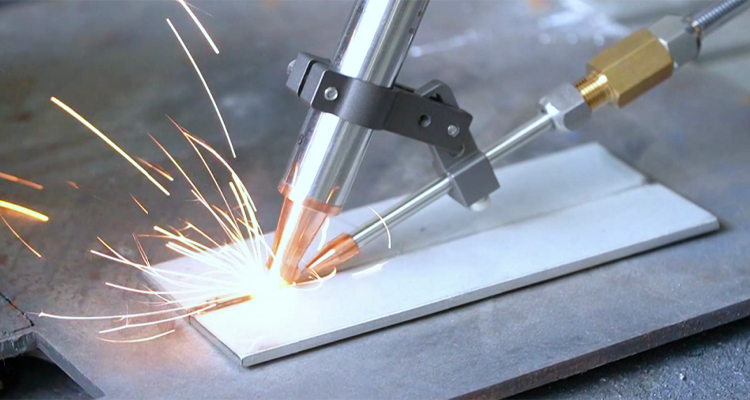
Multi-Dimensional Processing: Advanced 5-axis laser cutting systems can process three-dimensional components, cutting precise openings and features in formed parts, automotive bodies, and aerospace structures without requiring additional setups or operations.
-
Adaptive Processing Technology: Intelligent thickness detection systems automatically adjust laser parameters to accommodate material variations, enabling consistent results even when processing recycled or variable-quality stock.
-
Near-Zero Material Waste: Nesting optimization algorithms can achieve material utilization rates exceeding 85%, dramatically reducing waste compared to traditional stamping or machining processes.
The impact extends beyond just technical capabilities. A medium-sized fabrication shop that invests in laser cutting technology typically experiences a 40-60% reduction in production lead times, 30-50% decrease in per-part costs for complex components, and significant quality improvements that reduce downstream assembly time.
Automotive Industry Transformation
The automotive sector has perhaps benefited more than any other from laser intelligent equipment, with applications spanning the entire vehicle production process:
-
Body-in-White Laser Welding: Remote laser welding machine can create high-strength joints at rates exceeding 10 meters per minute, enabling manufacturers to reduce vehicle weight while improving crash performance. These systems create welds that are both stronger and less visually obtrusive than traditional resistance spot welds.
-
Tailored Blank Production: Laser welding enables the joining of different material grades and thicknesses before stamping, allowing engineers to place high-strength materials precisely where needed while using lighter materials elsewhere, optimizing both weight and cost.
-
Hot-Forming Enhancement: Laser cutting systems can process ultra-high-strength steel components immediately after hot forming, eliminating separate trimming operations and enabling more complex geometries that improve crash performance.
-
Interior Component Processing: Laser cutting and welding of interior components enables weight reduction and design flexibility that supports the trend toward more customized vehicle interiors.
-
Battery and Electric Drivetrain Manufacturing: Precision laser welding is essential for battery pack construction, creating hermetic seals and electrical connections with minimal heat input to surrounding components.
The transition to electric vehicles has further accelerated laser adoption, as these vehicles require unprecedented precision in battery assembly, electrical connections, and lightweight structures. A typical modern electric vehicle contains over 100 meters of laser welds and hundreds of laser-cut components.
Aerospace: Precision at the Highest Standards
The aerospace industry’s extreme requirements for reliability, traceability, and performance have driven specialized applications of laser technology:
-
Turbine Component Manufacturing: Laser drilling systems create precise cooling holes in turbine blades, with some components requiring over 10,000 holes positioned with accuracy within ±0.1mm, a feat impossible with conventional machining.
-
Additive Manufacturing Integration: Directed energy deposition systems combine laser technology with powder delivery to build and repair high-value components, extending part life and enabling geometries impossible with conventional manufacturing.
-
Composite Material Processing: Ultrashort pulse lasers can precisely cut carbon fiber composites without thermal damage or delamination, maintaining the structural integrity critical for aerospace applications.
-
Surface Texturing and Treatment: Laser surface engineering modifies material properties at the microscopic level, enhancing fatigue resistance, reducing friction, or improving adhesion for critical aerospace components.
The impact of these capabilities extends beyond performance to the economics of aerospace manufacturing. Laser processing has reduced the production time for certain engine components by up to 75% while improving consistency and service life.
Medical Device Manufacturing Precision
Few industries demand the combination of precision, cleanliness, and material compatibility required by medical device manufacturing:
-
Implantable Device Production: Ultrashort pulse lasers can create microscopic features in biocompatible metals and polymers without creating debris or heat-affected zones that might compromise biocompatibility.
-
Stent Manufacturing: Laser cutting systems produce cardiovascular stents with strut widths under 100 microns from tubular stock, creating devices that are both flexible and strong enough to support blood vessels.
-
Surgical Instrument Fabrication: Precision laser welding joins dissimilar metals in surgical instruments, combining the cutting performance of specialized alloys with the ergonomics and economics of standard materials.
-
Microfluidic Device Creation: Laser ablation creates precisely controlled channels and features in polymers and glass for diagnostic devices, enabling complex fluid handling in compact packages.
-
Direct Part Marking: Laser marking provides permanent, sterile identification on medical devices that withstands sterilization processes while maintaining full traceability throughout the product lifecycle.
The medical device industry’s rapid innovation cycle is directly enabled by laser processing, as new designs can move from concept to production without the lengthy tooling development required by conventional manufacturing.
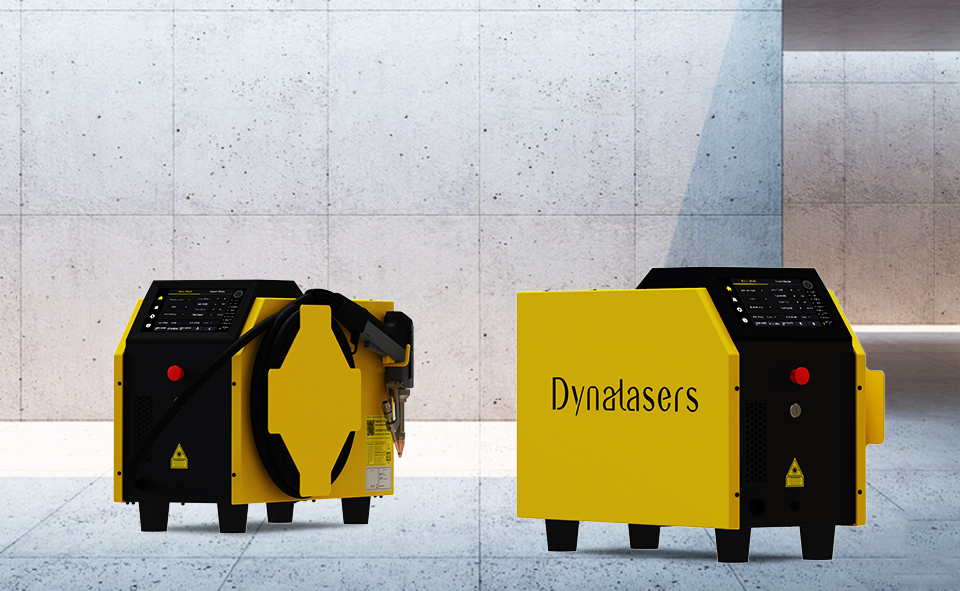
Emerging Frontiers in Laser Material Processing
New Material Development and Processing
The co-evolution of advanced materials and laser processing technology is creating entirely new manufacturing possibilities:
-
Ultra-High Strength Materials: Laser processing enables the efficient use of advanced high-strength steels, titanium alloys, and metal matrix composites that were previously considered too difficult to process cost-effectively.
-
Multi-Material Assemblies: Specialized laser joining techniques enable the direct connection of dissimilar materials—such as aluminum to steel, ceramics to metals, or polymers to metals—creating lightweight structures with optimized performance characteristics.
-
Functionally Graded Materials: Laser-based additive manufacturing can create components with continuously varying material compositions, optimizing properties such as thermal conductivity, wear resistance, or flexibility throughout a single part.
-
Smart Material Integration: Laser processing enables the embedding of sensors, circuitry, and active elements within structural components, creating parts that can monitor their own condition and respond to environmental changes.
These capabilities are particularly significant for industries seeking to reduce weight while improving performance, such as aerospace, automotive, and portable electronics manufacturing.
Micro and Nano-Manufacturing Revolution
At the smallest scales, laser processing enables manufacturing capabilities that were previously confined to specialized semiconductor fabrication facilities:
-
Sub-Micron Feature Creation: Ultrashort pulse lasers can create features smaller than one micron in various materials, enabling miniaturized components for medical, electronics, and sensing applications.
-
Surface Function Engineering: Laser texturing creates precisely controlled microscopic patterns that modify surface properties such as hydrophobicity, light absorption, or biological cell attachment.
-
Two-Photon Polymerization: Specialized laser systems can create three-dimensional structures with features smaller than 100 nanometers in photosensitive materials, enabling advanced optical components, microfluidics, and tissue engineering scaffolds.
-
In-Volume Glass Processing: Focused ultrafast lasers can create functional structures inside transparent materials without affecting the surface, enabling embedded waveguides, microfluidic channels, and three-dimensional data storage.
These micro and nano-manufacturing capabilities are essential for emerging technologies in fields such as quantum computing, advanced sensors, next-generation medical diagnostics, and integrated photonics.
Sustainable Manufacturing Enablement
Laser intelligent equipment plays an increasingly critical role in sustainable manufacturing initiatives:
-
Material Efficiency Optimization: Precision laser cutting reduces material waste by up to 80% compared to conventional processes for certain components, directly reducing resource consumption and embodied energy.
-
Clean Process Implementation: Laser processing typically eliminates or drastically reduces the need for lubricants, coolants, and chemical treatments associated with conventional manufacturing, reducing environmental impact and workplace hazards.
-
Energy Consumption Reduction: Modern fiber lasers convert electrical energy to useful processing energy with efficiency exceeding 40%, compared to 5-15% for many conventional manufacturing processes.
-
Product Lightweighting: Laser processing enables complex designs and material combinations that reduce end-product weight, particularly important for transportation applications where each kilogram of weight reduction translates to substantial lifetime energy savings.
-
Repair and Remanufacturing: Laser cladding and direct energy deposition systems can repair worn or damaged components that would otherwise be scrapped, extending useful life and conserving the resources and energy embedded in existing products.
These sustainability benefits are increasingly valued as manufacturers face both regulatory pressure and market demands for reduced environmental impact across the product lifecycle.
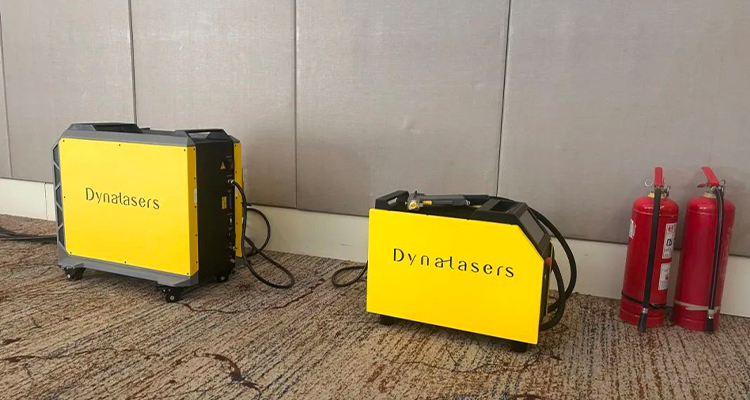
The Digital Integration of Laser Manufacturing
Industry 4.0 Convergence
Laser intelligent equipment represents one of the most fully realized implementations of Industry 4.0 principles, integrating physical manufacturing processes with digital information flows:
-
Digital Thread Implementation: Modern laser systems maintain complete digital records of processing parameters, quality measurements, and material certification, creating an unbroken information chain from design through manufacturing to service.
-
Cloud-Connected Operation: Advanced systems leverage cloud computing for processing optimization, comparing results across multiple machines globally to identify best practices and predictor variables for quality outcomes.
-
Horizontal Integration: Laser equipment increasingly communicates directly with upstream and downstream processes, automatically adjusting operations based on input material variations or downstream assembly requirements.
-
Flexible Manufacturing Enablement: The inherent flexibility of programmable laser systems supports economic production of highly customized products in small batch sizes, enabling mass customization business models.
-
Remote Operation Capability: Intelligent laser systems can be monitored and controlled remotely, supporting distributed manufacturing models and enabling expert oversight across multiple production facilities.
This digital integration transforms not just the manufacturing capabilities but the entire business model of manufacturing, enabling more responsive, customer-centric production with lower capital intensity.
Human-Machine Collaboration Evolution
Rather than simply automating existing processes, the most successful implementations of laser intelligent equipment redefine the relationship between operators and equipment:
-
Augmented Operator Interfaces: Advanced systems use augmented reality to overlay process information, quality data, and setup instructions onto the physical workspace, enhancing operator capabilities.
-
Intuitive Programming Tools: Modern laser equipment often features programming interfaces that allow operators to define processes using natural gestures, direct manipulation, or simplified programming languages that abstract away complexity.
-
Continuous Learning Systems: Machine learning algorithms analyze operator interventions and process adjustments, gradually refining automated processes to incorporate human expertise.
-
Collaborative Problem Solving: When process anomalies occur, intelligent systems can suggest potential causes and solutions based on historical data, helping less experienced operators benefit from institutional knowledge.
-
Skills Development Integration: Advanced laser systems often include training modules, process simulation capabilities, and guided operation modes that systematically develop operator capabilities.
This evolution toward collaborative operation addresses one of manufacturing’s most pressing challenges: the shortage of skilled workers. By embedding expertise within the equipment itself, manufacturers can maintain production quality even as experienced workers retire.
Conclusion: The Transformative Impact of Laser Intelligence
The integration of laser intelligent equipment into manufacturing operations represents far more than an incremental improvement in production capabilities. For many manufacturers, it constitutes a fundamental reimagining of what’s possible—enabling production methodologies, material combinations, and product features that were previously unachievable.
The transformative impact extends beyond technical capabilities to the foundational economics of production. By drastically reducing material waste, eliminating multiple process steps, minimizing tooling requirements, and enabling flexible production, laser smart equipment creates manufacturing models that are simultaneously more responsive to market demands and more economically efficient.
Perhaps most significantly, these technologies are democratizing advanced manufacturing capabilities. Equipment that once required specialized facilities and PhD-level operators can now be effectively deployed in small and medium enterprises, operated by technicians with focused training. This accessibility is expanding the range of companies that can participate in high-value manufacturing, distributing economic opportunity while accelerating innovation.
As global manufacturing continues its evolution toward more sustainable, flexible, and digitally integrated models, laser intelligent equipment will remain at the forefront—not merely keeping pace with changing requirements but actively enabling new possibilities that manufacturers are only beginning to explore.